
Effective Urea Application Techniques for Rice Cultivation.
Article Structure
Rice cultivation heavily relies on proper fertilization to achieve optimal yields. Among various fertilizers, urea stands out for its high nitrogen content and cost-effectiveness. Understanding urea application techniques for rice ensures that nitrogen is efficiently utilized, contributing to healthy growth and increased productivity. This article serves as a comprehensive guide to effectively applying urea in rice fields.
The Role of Urea in Rice Farming
Urea is a popular nitrogen-based fertilizer known for promoting robust leaf and stem development in rice plants. Nitrogen from urea is crucial for photosynthesis, which drives healthy plant growth. The high nitrogen content in urea makes it an economical choice for farmers aiming to boost rice yields.
Essential Urea Application Techniques for Rice
Implementing the right urea application techniques is key to maximizing nutrient uptake and minimizing nitrogen loss. Here are some effective methods:
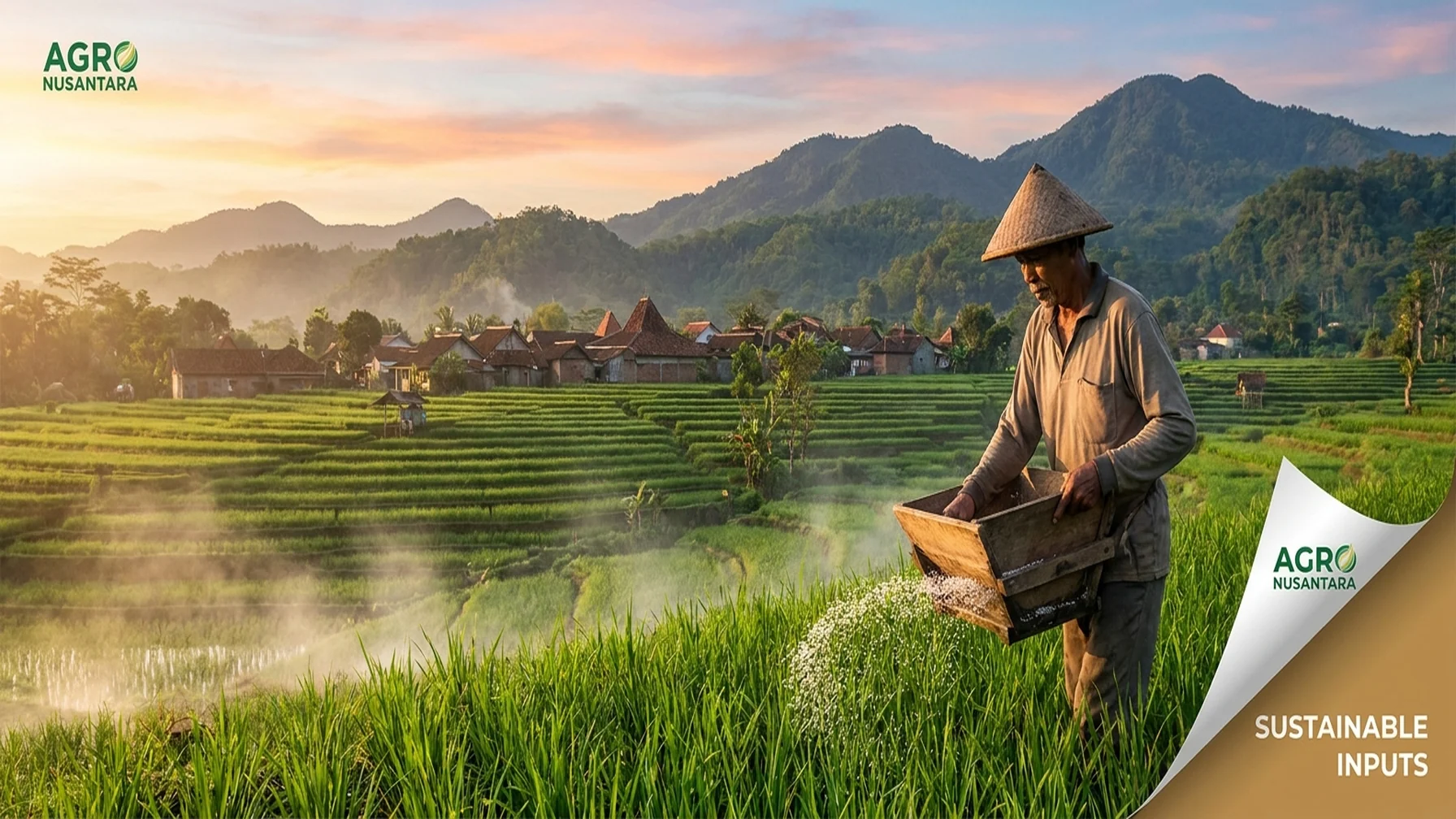
- Broadcasting: Spread urea evenly on the soil surface before or shortly after flooding to ensure even distribution.
- Deep Placement: Incorporate urea granules into the soil at a depth of 10-15 cm to reduce nitrogen loss through volatilization.
- Drip Irrigation: Apply urea through drip systems for precise nutrient delivery and enhanced efficiency.
By adopting these techniques, farmers can improve nitrogen management in rice cultivation, leading to better crop performance and yields.
Step-by-Step Guide to Applying Urea
Applying urea effectively involves careful consideration of timing, method, rate, and depth. Follow these steps for optimal results:
- Timing: Apply urea during the early growth stages to maximize absorption.
- Method: Use broadcasting or top-dressing methods and apply before rain or irrigation to help dissolve the urea into the soil.
- Rate: Follow recommended application rates based on soil tests and crop needs.
- Depth: Incorporate urea into the soil to minimize nitrogen loss.
Adhering to these guidelines ensures rice plants receive optimal nitrogen, promoting enhanced growth and yield.
Comparison: Urea vs. NPK Fertilizer
While urea focuses on providing nitrogen, NPK fertilizers offer a balanced mix of nitrogen (N), phosphorus (P), and potassium (K). Each element has a unique role:
| Fertilizer Type | Main Component(s) | Benefits |
|---|---|---|
| Urea | Nitrogen (N) | Promotes leafy growth and stem development |
| NPK | Nitrogen, Phosphorus, Potassium | Enhances overall growth, root development, and disease resistance |
Selecting between urea and NPK depends on the specific nutrient requirements of the rice crop and the existing soil conditions.
Common Challenges in Urea Application
Despite its benefits, urea application can present challenges. Here are some common issues and how to mitigate them:
- Nitrogen Loss: Volatilization can lead to nitrogen loss. To combat this, incorporate urea into the soil or apply before predicted rainfall.
- Wind Conditions: Avoid applying urea on windy days to reduce loss through drift.
- Soil Acidity: Urea can acidify soil over time. Regular soil testing and liming can help maintain optimal pH levels.
By addressing these challenges, farmers can enhance the efficiency of urea application and improve crop outcomes.
Micro-Examples of Successful Urea Usage
To illustrate the effectiveness of urea, consider these examples:
- A farmer in Vietnam reported a 20% increase in yield by implementing deep placement of urea granules, reducing nitrogen loss and improving nutrient availability.
- In India, a rice grower used drip irrigation to apply urea, resulting in uniform growth and a healthier crop due to precise nutrient distribution.
These examples demonstrate how tailored urea application strategies can lead to significant improvements in rice cultivation.
Conclusion: Best Practices for Urea Application
Effective urea application techniques for rice involve understanding the best methods and timing for application. By selecting the appropriate technique and addressing common challenges, farmers can optimize nitrogen use and enhance rice yields. Regular soil testing and adapting to environmental conditions will ensure sustainable and productive rice farming practices.