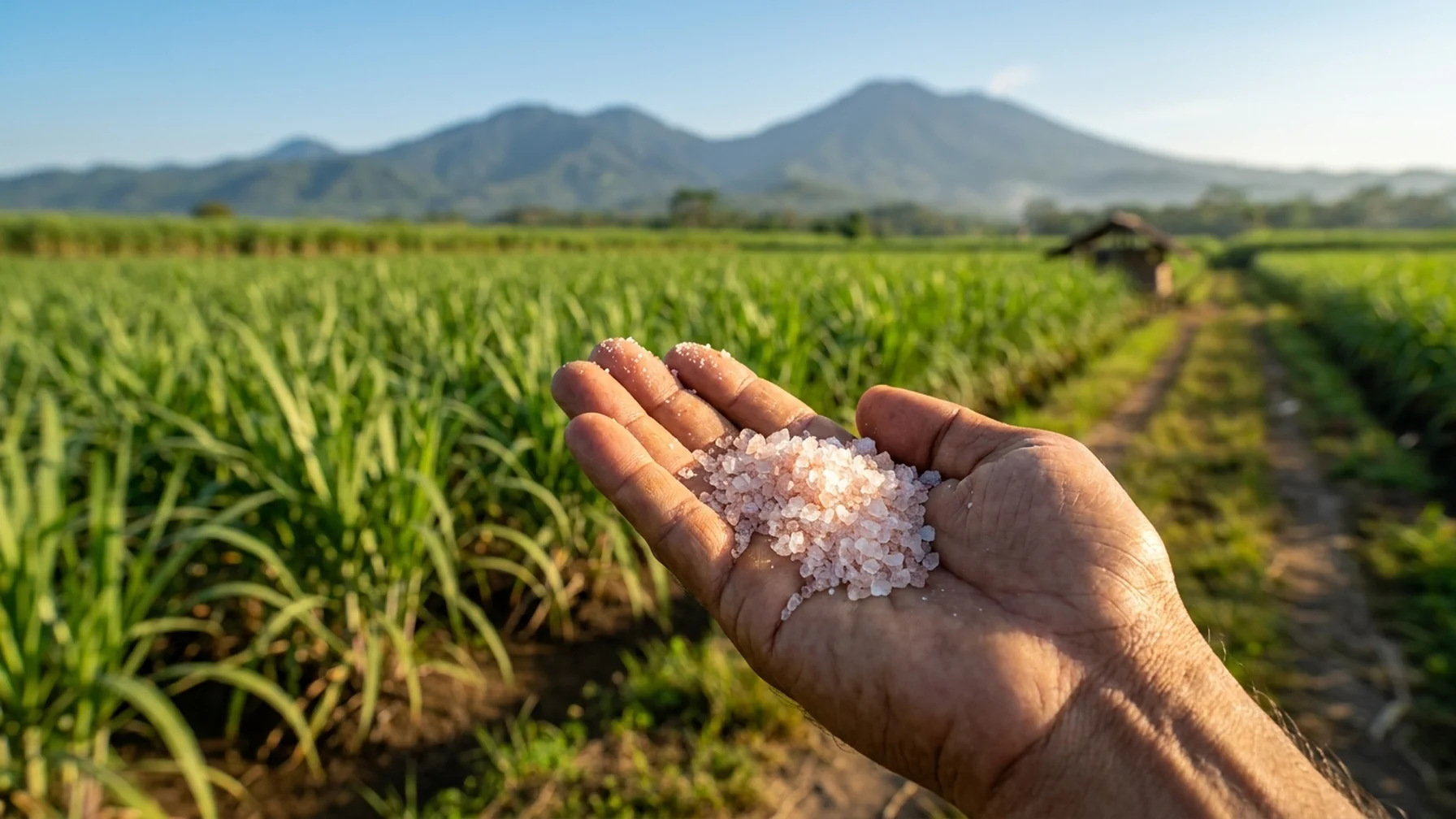
Exploring the Benefits of Rock Phosphate for Corn Cultivation.

Article Structure
In the world of agriculture, understanding the right fertilizers for your crops can significantly impact yield and soil health. Among the various options available, rock phosphate stands out as a valuable nutrient source, particularly for corn growers. This natural mineral offers unique benefits that can enhance corn production while promoting sustainable farming practices.
What is Rock Phosphate and Its Role in Agriculture?
Rock phosphate is a naturally occurring mineral that contains high levels of phosphorus, an essential nutrient for plant growth. Unlike synthetic fertilizers, rock phosphate releases phosphorus slowly, ensuring a sustained nutrient supply to crops. This slow-release property makes it an ideal choice for long-term soil fertility management.
Key Benefits of Rock Phosphate for Corn
Corn, being a phosphorus-hungry crop, stands to gain significantly from the application of rock phosphate. Here are some key benefits:
- Improved Root Development: Phosphorus is vital for root growth, and rock phosphate supplies this nutrient in a form that corn plants can easily absorb.
- Enhanced Yield: By ensuring adequate phosphorus levels, rock phosphate can lead to higher corn yields, particularly in phosphorus-deficient soils.
- Soil Health: Rock phosphate not only provides phosphorus but also improves the soil structure and fertility over time.
- Cost-Effective: As a natural mineral, rock phosphate is often more affordable compared to synthetic fertilizers, making it a cost-effective choice for farmers.
These benefits make rock phosphate an attractive option for corn growers looking to enhance productivity while maintaining soil health.
How to Apply Rock Phosphate for Optimal Results
Applying rock phosphate correctly is crucial for maximizing its benefits. Here are some tips to ensure effective application:
- Soil Testing: Before application, conduct a soil test to determine phosphorus levels and identify any deficiencies.
- Timing: Apply rock phosphate during soil preparation or early in the growing season for best results.
- Application Rate: Follow recommended application rates based on soil test results and crop requirements.
- Incorporation: Mix rock phosphate into the topsoil to enhance its availability to corn roots.
By following these guidelines, farmers can optimize the use of rock phosphate, ensuring robust corn growth and improved yields.
Comparing Rock Phosphate with Other Fertilizers
Rock phosphate is just one of many fertilizer options available to farmers. It is essential to understand how it compares to other common fertilizers:
| Fertilizer Type | Key Nutrients | Release Rate | Cost |
|---|---|---|---|
| Rock Phosphate | Phosphorus | Slow | Low |
| NPK Fertilizer | Nitrogen, Phosphorus, Potassium | Fast | Medium |
| Urea | Nitrogen | Fast | Low |
As the table shows, rock phosphate offers a slow-release, cost-effective phosphorus source compared to faster-acting fertilizers like NPK and urea. This makes it suitable for long-term soil improvement and sustainable agriculture.
Organic vs. Chemical Fertilizers: Where Does Rock Phosphate Fit?
Rock phosphate is often categorized as an organic fertilizer due to its natural origin. Unlike chemical fertilizers, which are synthesized, rock phosphate is mined and minimally processed. This makes it an excellent option for organic farming practices, aligning with the growing demand for sustainable agricultural inputs.
Signs of Nutrient Deficiency in Corn and How Rock Phosphate Helps
Identifying nutrient deficiencies early can prevent yield loss in corn crops. Common signs of phosphorus deficiency include stunted growth and dark green or purplish leaves. Applying rock phosphate can address these deficiencies, promoting healthy growth and development in corn plants.
In conclusion, rock phosphate offers numerous benefits for corn cultivation. Its natural composition, slow nutrient release, and cost-effectiveness make it a valuable addition to any corn grower's toolkit. By understanding its role and applying it correctly, farmers can improve their corn yields while fostering sustainable soil management practices.